If you have fine or peach‑fuzz style hair and you have been told laser will not work, the truth is more nuanced. Laser hair removal can help some fine hair, especially if it is pigmented and located on certain body areas. It struggles on others, and the wrong approach can even stimulate more growth. I have treated thousands of follicles across faces, arms, legs, and torsos, and the lessons repeat: device choice, settings, and candid expectations matter more for fine hair than for any other hair type.
This guide unpacks how laser hair removal really interacts with fine hair, where it shines, where it disappoints, and how to stack the odds in your favor if you decide to proceed.
Why fine hair is a tougher target
Laser hair removal, more precisely permanent laser hair reduction, relies on selective photothermolysis. The laser light is absorbed by melanin in the hair shaft and follicle, converted to heat, and then damages the stem cells that drive growth. Coarse, dark hairs act like thick, well‑inked wicks. Fine hairs do not. They have a smaller diameter, less melanin, and a shallower, thinner follicular structure. That means less energy gets captured and less heat is retained to injure the hair factory.
Two practical consequences follow. First, you need a higher contrast between hair color and skin color to create a safe energy window. Second, even with good contrast, you often need more laser hair removal sessions than a coarse‑haired client to reach similar reduction. For many with fine hair, results land at meaningful thinning rather than complete clearance.
A quick example. A fair‑skinned client with scattered, medium‑brown fine hair along the jawline may see 30 to 50 percent reduction after 6 to 8 facial laser hair removal sessions using an alexandrite laser with tight spot size nearby Somerville hair removal and longer pulse width. Her friend with coarse underarm hair might hit 80 to 90 percent reduction in the same number of sessions. Physics is driving that gap.
Areas where fine hair responds better
Hair caliber varies by body site. Underarm laser hair removal and bikini laser hair removal usually involve thicker, more pigmented hair, even in clients who otherwise describe their hair as fine. Those zones often respond well with professional laser hair removal, and they are forgiving on device choice. Leg laser hair removal for lower limbs also responds if the hairs carry enough pigment, though the shin and thigh often harbor a mix of medium and fine hair that slows progress.
Fine facial hair is trickier. Upper lip laser hair removal can work if the hair is medium brown and the surrounding skin is lighter. Chin laser hair removal responds better than cheek fuzz, again because chin hair tends to be slightly coarser. Cheek and sideburn vellus hair, especially if light or blond, is the classic frustration: it rarely clears with cosmetic laser hair removal and is the area most associated with paradoxical hypertrichosis, a phenomenon where low‑energy light can stimulate more growth.
On the torso, chest laser hair removal and back laser hair removal respond if the hairs are terminal and pigmented. For men with diffuse fine trunk hair, I counsel a conservative approach or consider alternatives, because thin, lightly pigmented coverage rarely meets expectations.
Arm laser hair removal can be rewarding on forearms if hair is brown and medium in thickness. Upper arms trend finer and lighter, so results vary.
Matching technology to the hair and skin
Device choice is not marketing fluff. Wavelength, pulse width, spot size, cooling, and fluence together decide how much useful heat reaches the follicle without cooking the skin.
- Alexandrite laser hair removal at 755 nm is the workhorse for lighter skin types, Fitzpatrick I to III. The 755 nm wavelength is well absorbed by melanin, which is a win for fine, pigmented hair. You need careful dosing, because that same absorption raises epidermal risk if the skin is tanned. For the right candidate, alexandrite often gives the best laser hair removal results on fine hair. Diode laser hair removal, commonly 805 to 810 nm, offers a balance of melanin absorption and deeper penetration. It performs well on a wide range of hair, including some fine hair, and modern machines use advanced cooling that permits safe, steady treatments. For fine hair, the diode can be effective on body areas where hairs still hold pigment, though it may trail alexandrite for true peach‑fuzz. Nd:YAG laser hair removal at 1064 nm targets melanin less strongly but penetrates deeper and spares the epidermis. This makes it the safest option for laser hair removal for dark skin. On fine hair, the lower melanin absorption can be a handicap. You can still thin pigmented hair with Nd:YAG on darker skin types, but expect more laser hair removal sessions and a more modest end point compared with coarse hair. IPL devices are not technically lasers. They deliver a broad spectrum filtered into bands. High‑quality IPL operated by a laser hair removal specialist can debulk darker hair, but for fine hair they are more likely to disappoint and, on the face, carry a higher risk of paradoxical growth when used at low fluence. For persistent fine facial hair, I do not recommend IPL.
Here is a short, practical cheat sheet that I share in consults.
- Light to medium skin with fine, pigmented hair: alexandrite or diode, test spots, conservative fluence ramp. Medium to dark skin with fine, pigmented hair: Nd:YAG, realistic goals, more sessions. True peach‑fuzz, blond, red, or gray hair: skip laser, consider electrolysis. Mixed‑caliber areas like forearms: diode can excel, plan for touch‑ups. Facial fine hair with history of stimulation: avoid IPL, test with low‑risk laser settings or pivot to electrolysis.
Settings and technique that make a difference
On fine hair, tiny technical choices matter. Pulse width influences how long the laser delivers energy. Fine hair has a shorter thermal relaxation time than coarse hair, so slightly shorter pulse widths can improve follicular heating, as long as the skin can tolerate it. Spot size affects penetration and scattering. Larger spot sizes push light deeper and can boost efficacy, but only if the fluence and cooling support it. A 15 to 18 mm laser hair removal near me Somerville spot on alexandrite or a 12 to 18 mm spot on diode is common for body work. For facial fine hair, smaller spots allow more precise dosing.
Stacking pulses, the habit of firing several shots on the same spot in quick succession, often backfires on fine hair by over‑heating the epidermis without adding enough follicular damage. Better to increase coverage density and maintain consistent overlap than to stack.
Cooling quality matters. Contact cooling or cryogen spray allows higher fluence while protecting the skin, but overcooling can constrict vessels and lower heat delivery to the target. You aim for a quick, even pass with meaningful energy, not a prolonged ice bath.
Finally, hair cycle timing is less forgiving. Fine hair tends to have a higher proportion of telogen hairs, which are resting and do not provide a great conduit for laser energy to reach the bulb. That is one reason you often need more treatments. Sticking to a schedule improves the odds of catching enough hairs in anagen, the active phase.
What “permanent” looks like for fine hair
Legally, in many countries, devices are cleared for permanent hair reduction, not absolute permanence. With coarse hair, many clients see an 80 to 90 percent long‑term reduction and months of smoothness between touch‑ups. With fine hair, durable outcomes are more variable.
Across clinics using advanced laser hair removal technology, reasonable expectations for fine, pigmented hair are:
- Face: 20 to 50 percent reduction after 6 to 10 facial laser hair removal sessions, with more progress on chin and upper lip than cheeks. Maintenance every 6 to 12 months is common. Arms: 30 to 60 percent reduction after 6 to 8 sessions, more if hair is medium rather than truly fine. Occasional touch‑ups help. Legs and thighs: 40 to 70 percent reduction after 6 to 10 sessions, with better response on lower legs than thighs.
Hormones reshape this landscape. Laser hair removal for hormonal hair growth from PCOS, thyroid shifts, or perimenopause needs a longer runway and regular maintenance. You can still gain freedom from constant shaving, but the word permanent needs an asterisk.
For hair that lacks pigment, or for the most stubborn fine facial hair, electrolysis remains the only method recognized as permanent hair removal. Many clients pair modalities, using laser hair removal to debulk what is responsive and electrolysis to clear the stragglers. That hybrid path is often the best laser hair removal strategy for someone fixated on total clearance.
The paradox no one wants: stimulated growth
Paradoxical hypertrichosis is the industry’s uneasy secret. It is uncommon, but real, and face‑centric. Rates in the literature range from under 1 percent to around 10 percent depending on device and skin type, with higher risk in Fitzpatrick III to IV skin and with low‑fluence IPL on the face and neck. The suspected mechanism is sub‑lethal heating that nudges vellus follicles to a more terminal state.
I have seen it twice in a decade. Both cases involved diffuse cheek hair in olive skin treated by IPL elsewhere. We reversed course with Nd:YAG on cautious settings and added electrolysis for the worst zones. The hair normalized over a year, but it underscored the need to treat fine facial hair with respect.
If your laser hair removal clinic proposes IPL for fine face hair or promises painless laser hair removal at low energies, ask hard questions. Sometimes the safest choice is to not fire the device.
Candidate checklist before you book
A good laser hair removal consultation is a sorting exercise. You can do part of it at home, then confirm with a laser hair removal dermatologist or a laser hair removal specialist who will perform a test spot.
- Hair color has brown or black pigment, even if the strand is thin. Skin color allows a safe energy window for the chosen wavelength. Area to treat is not dominated by vellus hairs that are light or translucent. Hormones and medications are stable, or at least acknowledged in the plan. You accept that “permanent” likely means long lasting reduction with maintenance.
If you cannot tick most of these, you likely need a different plan, whether that is electrolysis, threading on the face, or pausing until hormones are steadier.
Session cadence, preparation, and recovery
Laser hair removal procedure planning for fine hair benefits from discipline. Shave the area 12 to 24 hours before your appointment. Do not wax, thread, or tweeze for at least three to four weeks before, since removing the bulb empties the laser’s target. Avoid strong sun for two to four weeks prior. If your skin darkens easily, schedule around vacations.
For face, sessions often repeat every 4 to 6 weeks. For body, 6 to 10 weeks is typical. With fine hair, the urge is to come back sooner when you see regrowth. Resist it. Early regrowth can be a mix of clipped hairs surfacing and telogen hairs transitioning, not necessarily a sign the laser failed.
After treatment, redness and follicular edema look like uniform goosebumps and usually fade in hours. That reaction is a good sign the follicles absorbed energy. Pigment changes and burns are rare with proper care but are more likely if you arrive tanned or if the provider pushes fluence too aggressively. Keep the area cool, avoid hot yoga and saunas for 24 to 48 hours, and use fragrance‑free moisturizer. Sunscreen is non‑negotiable for exposed skin. Most clients return to normal routines the same day, which is why it is labeled a quick laser hair removal or fast laser hair removal service in many clinics.
Costs, packages, and when “cheap” becomes expensive
Laser hair removal cost varies by city, device, and body area. As a rough range in many markets, single sessions might run 50 to 120 dollars for small zones like upper lip, 75 to 200 for underarms, 200 to 350 for lower legs, and 200 to 350 for bikini or brazilian laser hair removal. Full body laser hair removal packages can bundle areas for a monthly plan or subscription model that brings per‑session prices down if you commit to 6 to 8 treatments.
Fine hair needs more time to reach the finish line. A tempting cheap laser hair removal offer that limits you to four sessions will not carry you there. Seek affordable laser hair removal, but weigh the package against expected total sessions and the clinic’s willingness to tailor settings over time. A trusted clinic will not force one fluence for everyone, and they will not hide their machine type. Ask whether they use alexandrite, diode, or nd yag laser hair removal, and ask to see the device.
Special cases worth calling out
- Laser hair removal for sensitive skin: Sensitive skin can still do well with medical laser hair removal if cooling is excellent and post care is simple. Fragrance‑free, non‑comedogenic products and steady sunscreen use matter more than fancy serums. Patch tests help. Laser hair removal for dark skin: Choose a clinic confident with Nd:YAG and with plenty of before and after images for your skin type. Expect more conservative starting energies and more sessions for fine hair, but the safety margin is better. Laser hair removal for men vs women: Men tend to have denser, more hormonally driven hair on the face and trunk. Even when the strand is fine, the density can create a satisfactory cosmetic change with laser hair reduction, but maintenance is common. Beard laser hair removal for shaping can work, yet on very fine cheek whiskers electrolysis edges it out for precision. Laser hair removal for acne prone skin: Avoid heavy occlusives right after treatment. If you use photosensitizing medications like isotretinoin, you usually need to wait six months after finishing before starting laser. For topical retinoids, pause three to five days before and after. Laser hair removal for teenagers: I evaluate motivation and parental expectations carefully. Hair patterns can change with puberty. If a teen is distressed by coarse underarm or leg hair, treatments can be appropriate. For fine facial hair, patience and temporary grooming may be better until patterns settle. Ingrown hairs: Even fine hair can cause ingrowns, especially on the bikini line. Laser hair removal benefits here go beyond appearance. Fewer, thinner hairs mean fewer inflamed papules and less post inflammatory hyperpigmentation.
When to choose electrolysis first
If the hair is blond, red, gray, or too translucent to carry laser energy, laser is the wrong tool. Electrolysis damages the follicle using electrical current delivered by a probe inserted into the follicle. It is slower per hair and highly operator dependent, but it works on any hair color and is recognized as permanent hair removal. For women with persistent fine facial hair and for small, high‑precision jobs like eyebrows or scattered chin hairs after menopause, electrolysis often beats even the best laser hair removal machine.
There is also a strategic use case. If you have mostly responsive hair but a halo of fine, light stragglers remains after a series of laser sessions, schedule electrolysis for those only. You will save time and money compared with chasing them with more laser passes that cannot couple enough energy.
What a rigorous clinic visit should feel like
Start with a proper laser hair removal consultation. The clinician should review your health history, hair patterns, prior hair removal methods, tanning habits, and medications. They should examine hair caliber and color under good lighting, categorize your Fitzpatrick skin type, and discuss device options. A small test spot at cautious settings is a sign you are in a laser hair removal center that values safety.
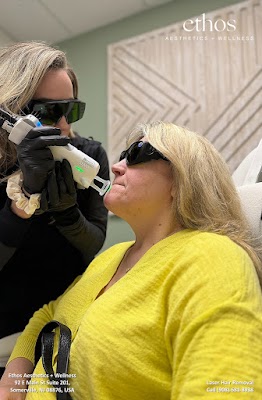
During the laser hair removal procedure, you should feel brief, tolerable zaps with effective cooling. Painless laser hair removal is a marketing phrase. Real treatments on appropriate energies feel like quick snaps or heat. Complete absence of sensation often means the settings are too low to be useful.
Aftercare includes clear instructions, what to expect from laser hair removal recovery, and how to time the next session. They should photograph laser hair removal before and after shots on a neutral background so you can track changes objectively. A laser hair removal expert will tweak settings each visit based on hair response and your skin’s behavior.
Red flags that predict disappointing outcomes
Be wary of one‑size‑fits‑all packages that set every client on the same energy and schedule. Be cautious with a laser hair removal med spa that will only disclose that they have a “high tech treatment” but not the wavelength or manufacturer. Avoid any clinic that promises permanent laser hair removal in four sessions for fine hair. Question a laser hair removal aesthetic clinic that insists IPL is best for fine facial hair or that heavy numbing cream is necessary for every pass. None of those lines up with good practice.
The “laser hair removal near me” search returns a mixed bag. Trust your gut and the clinic’s transparency. If they can show real laser hair removal results on clients with hair and skin like yours, explain their laser hair removal technology plainly, and set grounded expectations, you are likely in capable hands.
Putting it all together
If your hair is fine but pigmented, and your skin tone allows safe dosing, laser hair removal can still be a smart long term solution. You will probably need more laser hair removal sessions than a coarse‑haired friend, and maintenance becomes part of the plan. Device choice matters, and the alexandrite or diode platform often leads on lighter skin, while Nd:YAG keeps darker skin safe, albeit with slower progress. For true peach‑fuzz or light hairs, pivot early to electrolysis rather than throwing time and money at a laser that cannot see its target.
The best outcomes come from a collaborative plan with a laser hair removal clinic that respects the limits of physics, uses proper machines, and personalizes settings. That mix, not a slogan, is what turns laser hair removal for fine hair from a gamble into a measured, effective hair removal solution.